North Okanagan landowner protects 80 acres with conservation covenant
Bears, deer, moose and more will forever enjoy a swath of land near Lumby because the landowner decided to turn 80 acres into a conservation area. The landowner, who wants to stay anonymous, partnered with the Nature Conservancy of the North Okanagan Society and the Regional District...
 Valandos
0
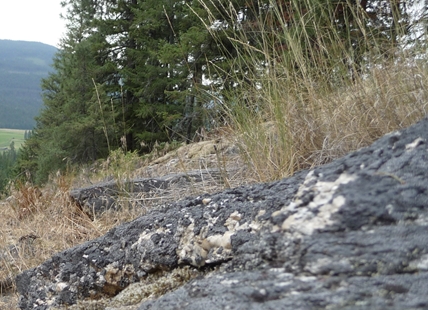
Bears, deer, moose and more will forever enjoy a swath of land near Lumby because the landowner decided to turn 80 acres into a conservation area.
The landowner, who wants to stay anonymous, partnered with the Nature Conservancy of the North Okanagan Society and the Regional District of North Okanagan to turn the land into a private nature conservation, according to a press release from the society.
“It’s a very special property with regionally uncommon, natural characteristics making it an incredibly important ecosystem and connection point for wildlife moving towards the Monashees,” society director Keenan Rudichuk said in the release.
The area has old growth forest, rain-fed streams and springs, and rocky outcrop ecosystems. It has habitat for black bears, hawks, snakes and rare plants that are at-risk. There are western red cedars, lodgepole pine and Douglas fir for the larger mammals like moose and deer. Rocky outcrops overlooking the valley make a good home for lizards and snakes.
The land was registered as an ecological conservation covenant in 2024 so it's protected in perpetuity, even if the land ownership is transferred in the future.
“That land is legally protected now and forever,” Rudichuk said.
The property, dubbed the Long Shadows Conservation Covenant, has been spared from damage caused by logging, residential development and agriculture and it’s going to be closed to the public.
The Clerke Nature Reserve, on Alexis Park Drive just west of Becker Park in Vernon, was donated by the May family and is open to the public.
“These are families that have taken great pride in stewarding their land, and they’re seeing what’s happening with development and urbanization around them, and they want to know the trees and birds and all the plants and wildlife they’ve come to love will be protected from development long after they’re gone,” Rudichuk said.
To contact a reporter for this story, email Jesse Tomas
mailto:jtomas@infonews.ca
or call 250-488-3065 or email the editor
mailto:news@infonews.ca
. You can also submit photos, videos or news tips to the newsroom
mailto:tips@infonews.ca
and be entered to win a monthly prize draw. Find our Journalism Ethics policy here.
https://infotel.ca/newsitem/code-of-ethics/it106782
We welcome your comments and opinions on our stories but play nice. We won't censor or delete comments unless they contain off-topic statements or links, unnecessary vulgarity, false facts, spam or obviously fake profiles. If you have any concerns about what you see in comments, email the editor in the link above. SUBSCRIBE to our awesome newsletter here
https://infotel.ca/newsletter
.